


What are fixed assets? Definition and practical examples

In accounting, a fixed asset is any long-term item owned by a company. Fixed assets are generally not a direct source of revenue, but they keep the business running and help create its value.
In Italian, fixed assets are called “cespiti”; the English word “asset” is also widely used in Italy, alongside the more common term “bene”.
When does an item “become a fixed asset”?
Under Italian tax and civil law, an item is recorded as a fixed asset when it meets the OIC 16 accounting standard.
To qualify as a fixed asset, an item must meet three requirements: durability, intended use and an economic value above €516.46.
The durability requirement means that the item is meant for prolonged use, usually for more than one year.
Intended use means that the asset is not meant to be sold directly, but used only for internal purposes related to the company's activities.
Take a clothing store: an individual item for sale, such as a pair of jeans, is not a fixed asset, but the cash register or the store building itself is.
Fixed assets can be classified as tangible or intangible:
- Tangible fixed assets: all physical items, such as buildings, vehicles, machinery, furniture and equipment.
- Intangible fixed assets: items a company owns that bring value but are not physical, such as software licenses, patents and trademarks.
Every company fixed asset must be recorded in the fixed asset register (the register of depreciable assets) so that inventory and physical-to-book reconciliation can be carried out correctly. Performing these activities correctly and regularly reduces, and helps avoid, penalties during audits.
Another reason to keep the fixed asset register accurate is that the purchase cost of an asset is not deducted in the year it is acquired, but spread over time through depreciation, which reflects the asset's loss of value.
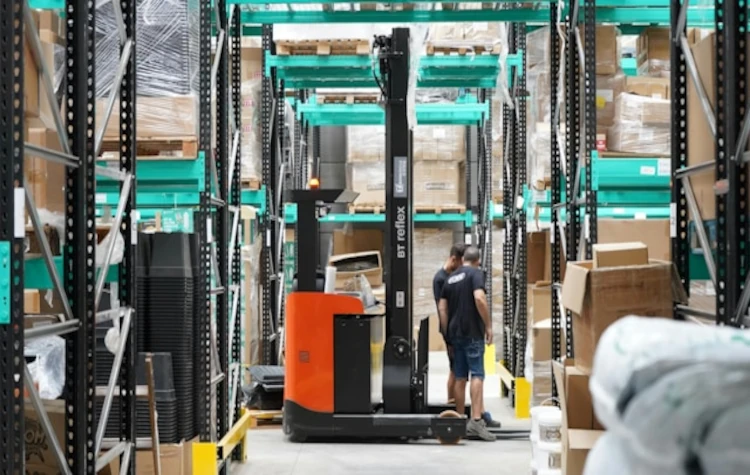
A good example is a logistics company that buys a new industrial building for storage, a computer for internal management and a table. Under the Italian ministerial tables, the industrial building and the computer can be depreciated over 33 and 5 years respectively, because they exceed the threshold.
The table, on the other hand, assuming it costs €300, is below the threshold and is therefore not a fixed asset but an operating expense.
Managing fixed assets correctly is essential to ensure an accurate, transparent picture of the company's financial statements. Classifying an item as a fixed asset not only lets you track the value of capital goods over time, but also ensures that costs are correctly spread over several financial years, in line with accounting and tax principles.
With B4F Innovation you can request a free audit of your fixed assets. Contact us now and find out how we can improve the management of your company assets.

Talk to our team
Send us your request and our team will get back to you within 24–48 hours.